Environmental Compliance Is Not a One-Time Certificate: Why SMEs Keep Getting It Wrong (and How to Fix It)
If you work in Kenya’s SME sector long enough—whether in hospitality, agribusiness, manufacturing, education, or property development—you start to notice a pattern.
Many businesses view environmental compliance as a document to obtain, file away, and only remember when regulators show up.
In reality, environmental compliance is not a one-time “approval.” It is an ongoing management responsibility, and the businesses that treat it that way are the ones that avoid penalties, protect their reputation, and build sustainable growth.
At Biomaps, we have seen this issue repeatedly—well-run businesses with strong operations, great teams, and a good product, but struggling with compliance simply because they were never supported to turn compliance into a system.
This article explains why this problem keeps recurring, what it costs SMEs, and what practical steps you can take to fix it.
Why Many SMEs Treat Compliance Like a License
There are three main reasons.
1) Compliance is often introduced at the “wrong” time
Many SMEs start thinking about compliance after operations have already begun, meaning:
- waste systems are already in place (often poorly designed),
- effluent or drainage is unmanaged,
- permits are playing catch-up,
- staff are not trained.
So compliance becomes a crisis response—not a system.
2) SMEs assume environmental audits are only for “big companies”
This is one of the most dangerous assumptions.
Environmental compliance applies across many sectors and business sizes. Regulators may prioritize certain industries, but once issues arise—noise, wastewater, solid waste, air emissions, or chemical storage—even smaller businesses can quickly become non-compliant.
3) There is confusion between documents and compliance
Some businesses believe that once they have:
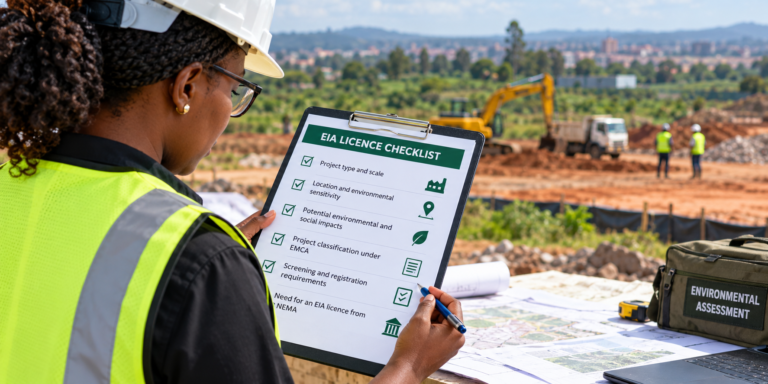
- an EIA license,
- an audit report,
- or a waste handler contract,
they are fully compliant.
But these documents are only part of the picture. True compliance is demonstrated in daily operations: segregation, storage, disposal, reporting, monitoring, and staff behavior.

The Hidden Cost of “Once-Off Compliance”
When compliance is handled as a one-off activity, SMEs often experience:
✅ Regulatory disruptions
- surprise inspections
- improvement notices
- forced shutdowns in extreme cases
✅ Operational risks
- blocked drainage and wastewater issues
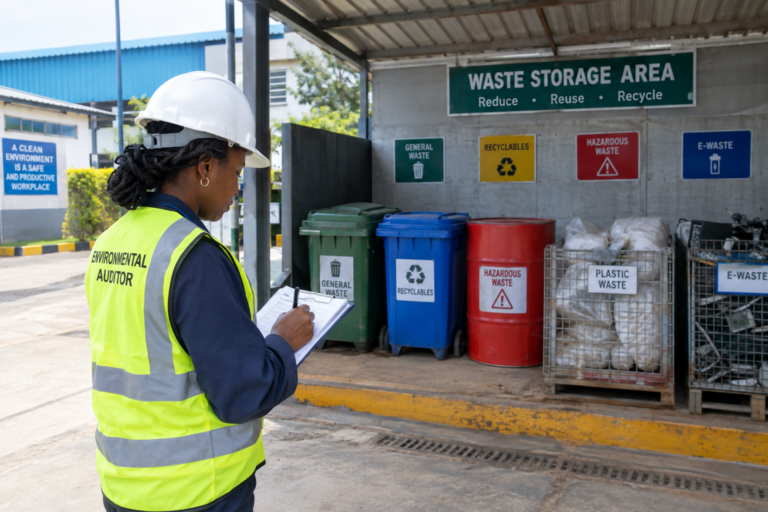
- unsafe waste storage
- pest infestation
- workplace hazards
✅ Reputation damage
The court of public opinion can be harsher than regulators.
Complaints from neighbors or customers—especially for hotels, schools, apartments, and industries—can permanently affect credibility.
✅ Financial losses
Many SMEs underestimate how expensive compliance becomes when it is reactive:
- penalties
- rushed audits
- rework and corrective actions
- emergency service providers
What a Real Compliance System Looks Like
The most effective SMEs treat environmental compliance as a management system, not a one-time audit.
A good environmental compliance system includes:
1) Clear roles and accountability
Compliance fails when everyone assumes someone else is handling it.
Best practice:
- assign a compliance focal person
- define responsibilities
- maintain an evidence trail
2) Document control and renewal planning
Permits are not just paperwork—they are “time-sensitive obligations.”
A compliance calendar should track:
- annual environmental audits
- waste handler license validity
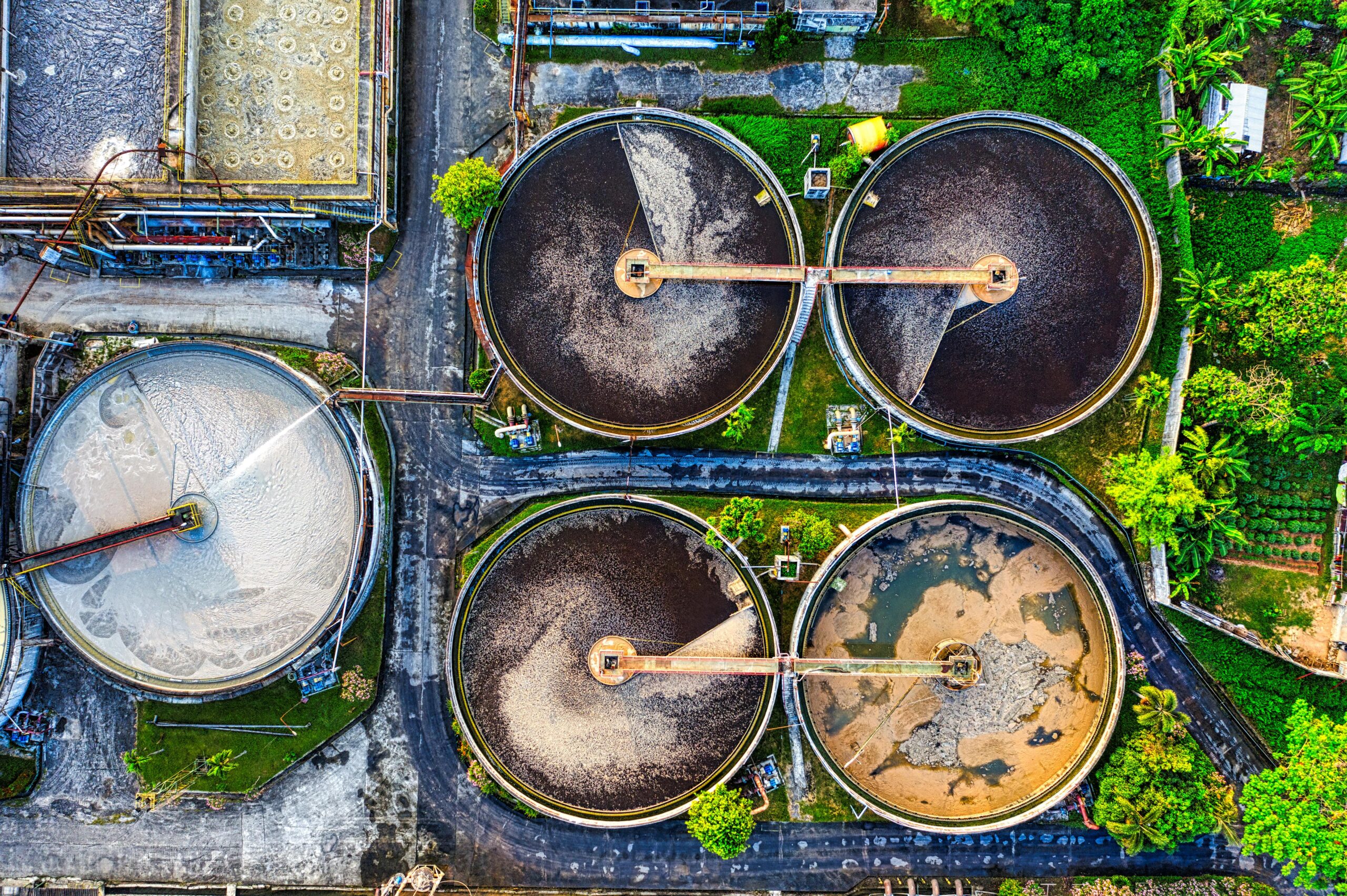
- effluent discharge requirements (where applicable)
- county public health compliance points
3) Operational monitoring
This is the “engine” of compliance. Monitoring may include:
- waste tracking records
- segregation monitoring
- wastewater/effluent checks
- chemical storage logs
- incident reporting and corrective action records
4) Staff capacity and internal training
The compliance officer cannot do everything alone.
Staff need to understand:
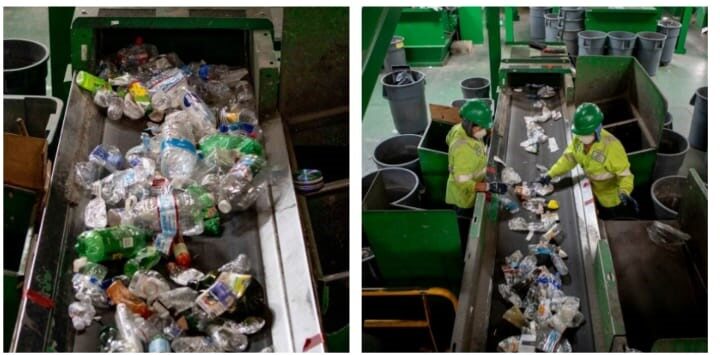
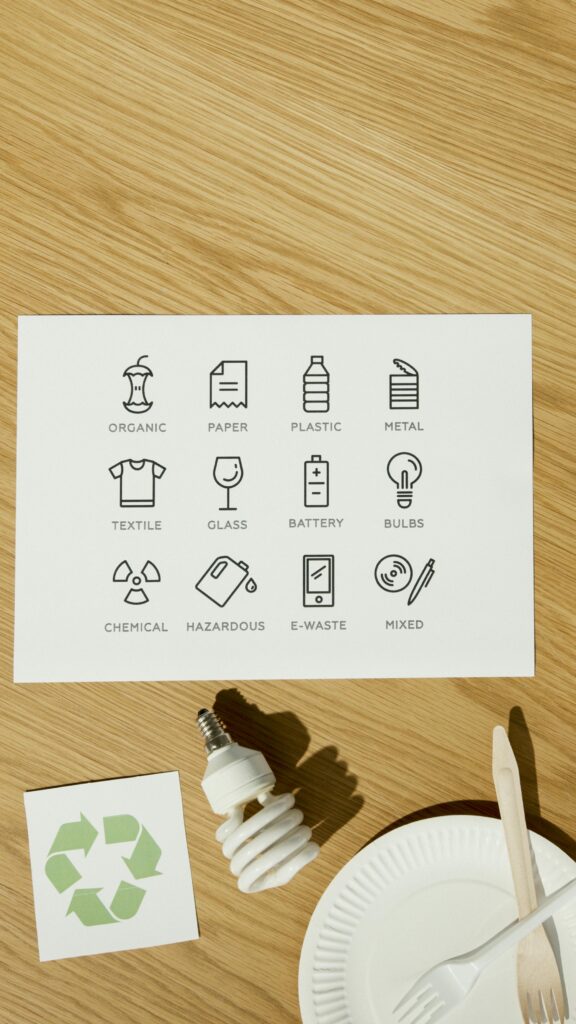
- how to segregate waste correctly
- what is classified as hazardous waste
- spill prevention basics
- reporting channels
Practical Steps SMEs Can Take Immediately
If you want to improve compliance without overwhelming your team, start here:
✅ Step 1: Do a compliance gap assessment
Before investing in audits, identify what is missing:
- documents
- physical controls
- suppliers
- operational practices
✅ Step 2: Convert obligations into a compliance checklist
Turn requirements into weekly/monthly actions:
- inspections
- waste records
- disposal evidence collection
- staff checks
✅ Step 3: Build a compliance evidence file
During inspections, evidence matters.
A good file should include:
- permits & licenses
- previous audit reports
- waste transfer notes
- training attendance sheets
- photos of waste areas and storage zones
✅ Step 4: Engage professional support for system setup (not just audit writing)
A sustainability-focused consultant should help you build:
- workable procedures
- tracking systems
- reporting formats
- improvement plans
Biomaps’ Approach: Compliance as a Sustainability System
At Biomaps, we support SMEs to move from compliance “panic mode” to a structured approach:
- compliance system setup
- environmental audits and regulatory reporting
- practical corrective action planning
- sustainability reporting aligned to business needs
Our goal is not just to help clients “pass inspections,” but to help them build operational resilience and credibility.
Conclusion: The SMEs That Win Treat Compliance as Part of Operations
Environmental compliance is not about fear.
It is about:
- protecting your business,
- reducing long-term costs,
- strengthening trust with customers and communities,
- and positioning your company for sustainability expectations that are rapidly growing.
If you are an SME and you have been treating compliance as a once-off event, you are not alone.
But you can fix it—and it starts by shifting from documents to systems.
Want Support?
If your business needs help establishing an environmental compliance system or preparing for an audit, Biomaps is ready to support.
Nyahoro Maina
Founder & Sustainability Systems Lead | Biomaps
📧 nyahoromaina@biomaps.co.ke
📞 +254 725 103030
🌐 www.biomaps.co.ke