Public Participation Is Becoming a Compliance Risk for Businesses in Kenya
Public Participation Is Becoming a Compliance Risk for Businesses in Kenya
Public participation is often treated as a box to tick—an announcement in a newspaper, a short meeting, a few signatures, and then the project moves on.
That approach is no longer safe.
Today, public participation in Kenya is under increasing scrutiny. Projects are being delayed, challenged, or rejected not because of technical flaws, but because the public participation process was weak or poorly documented.
For businesses and project developers, this is quickly becoming a serious compliance risk.
Why Public Participation Matters More Than Before
Public participation is not just a formality. It is a legal and procedural requirement meant to give affected communities a chance to understand and respond to proposed projects.
Several trends are making this requirement harder to ignore.
1. Increased Regulatory Scrutiny
Environmental regulators such as the
🔗 National Environment Management Authority (NEMA)
https://www.nema.go.ke
are paying closer attention to how public participation is conducted—not just whether it happened.
Incomplete records, rushed meetings, or unclear stakeholder engagement now raise red flags during reviews.
2. More Informed and Vocal Communities
Communities today are more aware of their rights. With easier access to information, affected groups are questioning projects that appear rushed or poorly explained.
When people feel excluded, objections often follow.
3. Legal and Project Approval Risks
Weak public participation has become a common reason for:
- Project delays
- Requests for repeat consultations
- Legal challenges
- Rejection of EIA or ESIA approvals
For businesses, this translates into time lost and higher costs.
Common Public Participation Mistakes Businesses Make
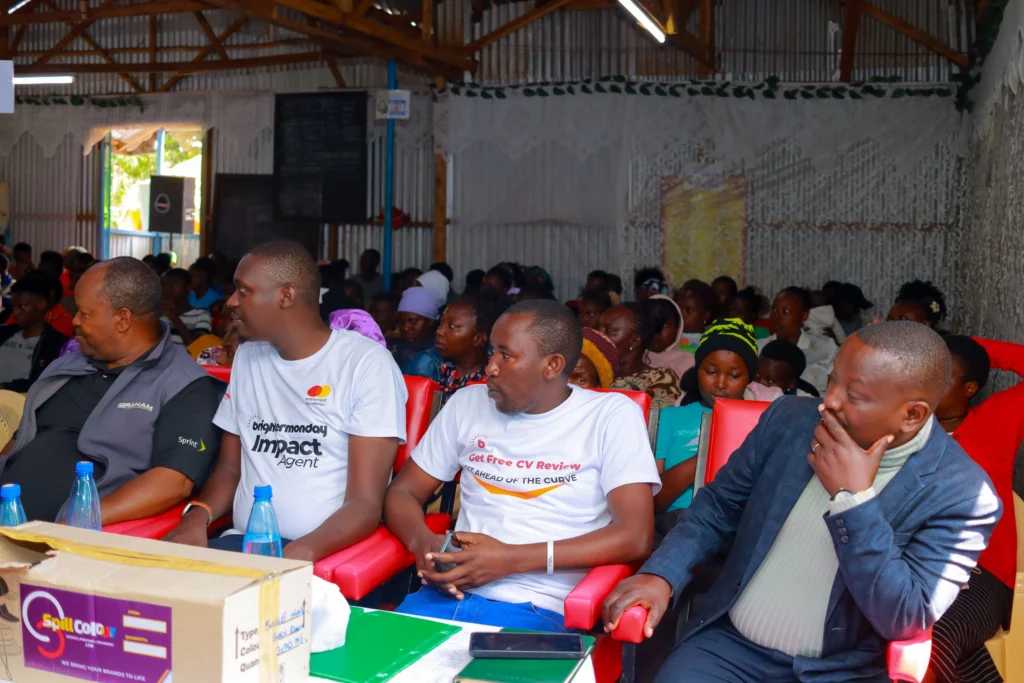
Many compliance issues come from treating public participation as a one-off event.
Common mistakes include:
- Consulting communities too late in the project
- Failing to clearly explain project impacts
- Using generic or copied attendance lists
- Poor documentation of concerns raised and responses given
These gaps weaken the credibility of the entire process.
What Proper Public Participation Looks Like in Practice
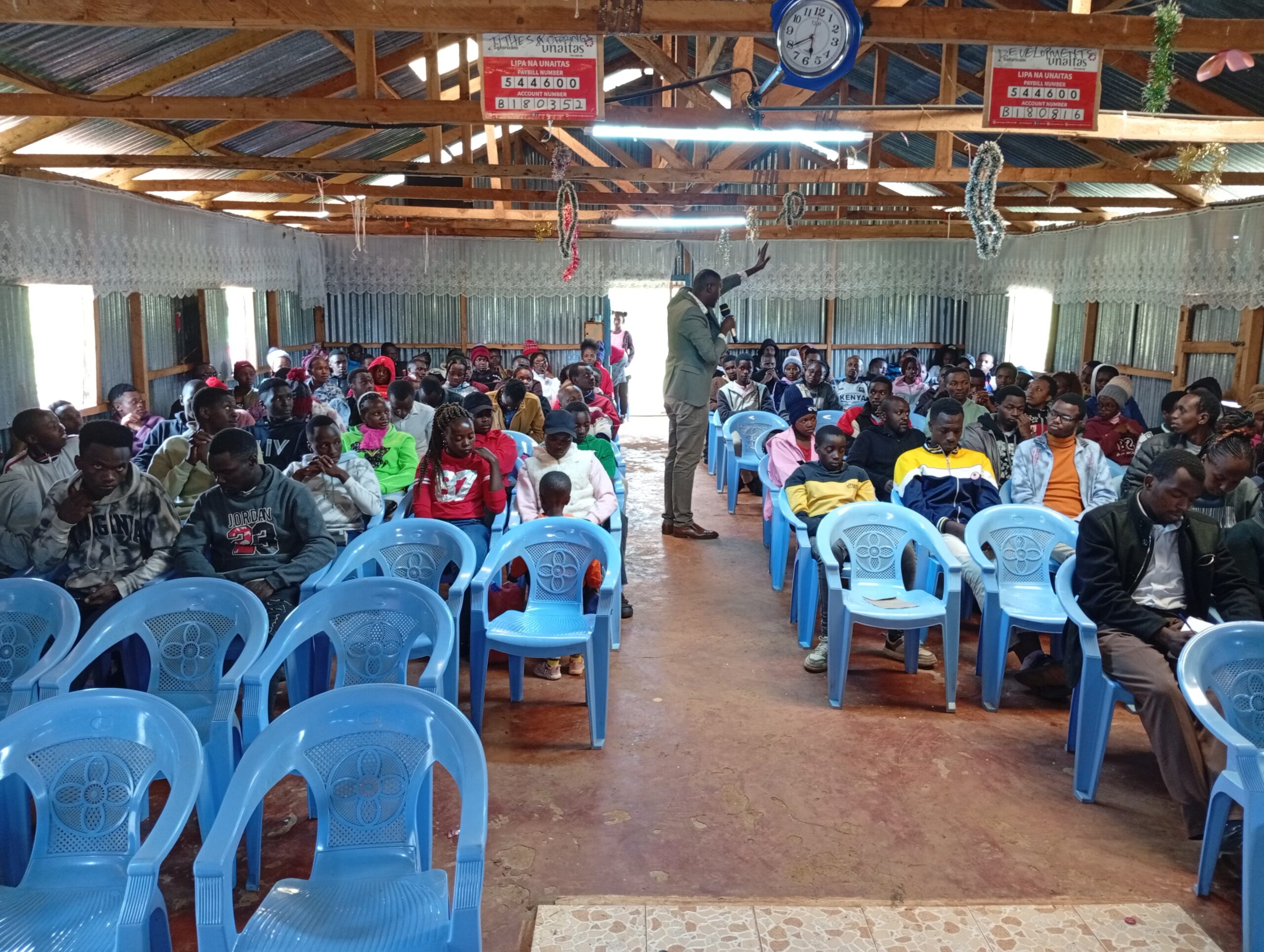
Good public participation does not need to be complicated, but it must be genuine and well-documented.
In practice, it involves:
- Identifying all affected and interested stakeholders
- Sharing information in a language and format people understand
- Allowing enough time for feedback
- Clearly documenting concerns and how they were addressed
When done properly, public participation reduces resistance and builds trust.
Why Documentation Is Everything
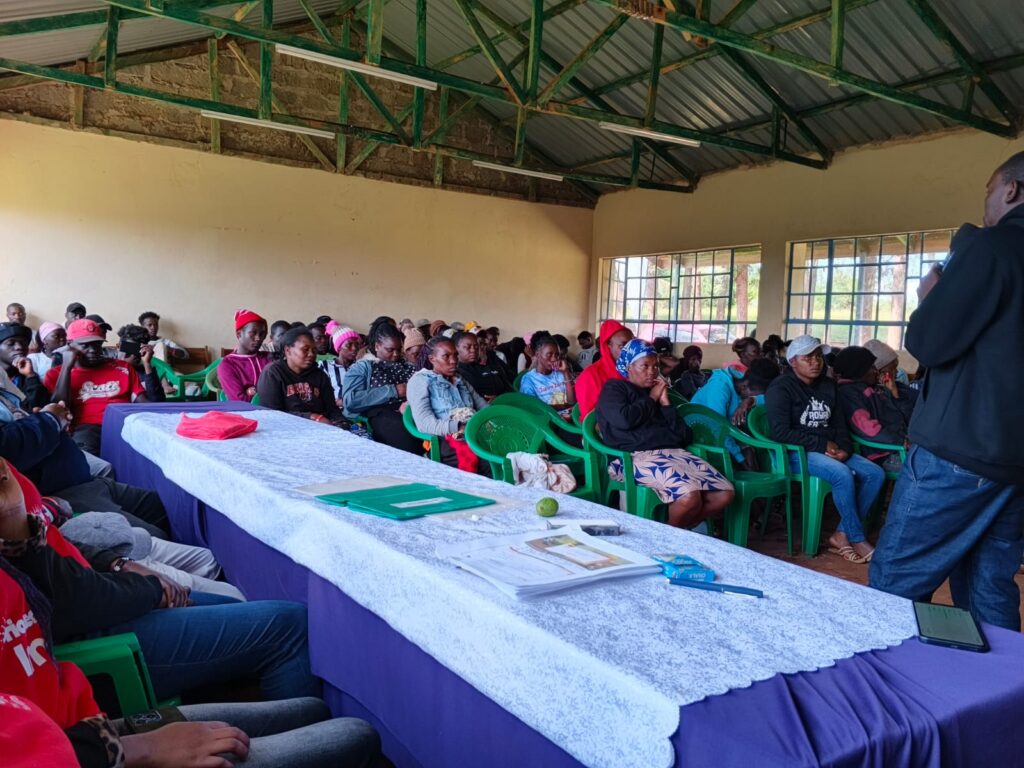
In public participation, documentation is just as important as engagement.
Regulators often look for:
- Notices and announcements
- Attendance records
- Minutes of meetings
- Evidence that community concerns were considered
Without proper documentation, even well-conducted consultations can be questioned.
Environmental Impact Assessment (EIA) support services – https://www.biomaps.co.ke/environmental-impact-assessment
Public Participation and Environmental Audits
Public participation issues do not end after project approval. Gaps in engagement can resurface during environmental audits, especially when communities raise unresolved concerns.
This is why public participation should be treated as part of a broader environmental compliance system.
Environmental audits services – https://www.biomaps.co.ke/environmental-audits
How Businesses Can Reduce Public Participation Risk
To reduce compliance risk, businesses should:
- Plan public participation early, not at the last minute
- Work with professionals who understand regulatory expectations
- Keep clear and organized records
- Treat community engagement as part of project risk management
Handled properly, public participation becomes a protective measure rather than a liability.
Final Thought
Public participation is no longer just a procedural step. In Kenya, it has become a key factor in project approval and environmental compliance.
Businesses that take it seriously—early and transparently—are better positioned to avoid delays, disputes, and regulatory setbacks.
Public participation requirements in Kenya are guided by national environmental policies under the
🔗 Ministry of Environment, Climate Change and Forestry
https://www.environment.go.ke