Extended Producer Responsibility (EPR) in Kenya: What Companies Need to Know
Introduction
Plastic waste has become one of the most visible environmental challenges in Kenya. From urban drainage systems to rivers and coastlines, packaging waste continues to accumulate as consumption grows.
In response, Kenya has introduced Extended Producer Responsibility (EPR) regulations aimed at shifting responsibility for packaging waste toward the companies that place products on the market.
For many businesses, however, the concept still raises important questions:
What exactly does EPR require? And how will it affect operations and reporting obligations?
Observation
Across many countries, governments are strengthening regulations that require companies to take responsibility for the environmental impact of their products and packaging.
Kenya has joined this global shift through the introduction of Extended Producer Responsibility regulations, designed to reduce waste and encourage recycling.
While the principle is clear, many companies are still trying to understand what compliance actually means in practice.
The Real Issue
Extended Producer Responsibility is a policy approach that requires companies to take responsibility for the collection, recycling, or safe disposal of packaging materials generated by their products.
In simple terms, if a company manufactures, imports, distributes, or sells products packaged in materials such as plastic, glass, metal, or paper, it may be required to participate in systems that ensure those materials are recovered after use.
The goal is to move waste management away from being solely a government responsibility and instead create a shared system where producers help manage the waste generated by their products.
The Hidden Problem
While the regulation itself is straightforward, many companies face a practical challenge when attempting to comply.
EPR requires organizations to understand and report information such as:
- how much packaging material they introduce into the market
- how much waste is recovered or recycled
- what types of materials are used
In many cases, this information is not easily available.
Packaging data is often spread across procurement records, supplier invoices, logistics reports, or production systems. Some organizations rely on rough estimates rather than structured data.
Without clear systems for collecting and organizing this information, compliance becomes difficult.
The Implication
As environmental regulations expand, the ability to track materials and organize sustainability data will become increasingly important.
EPR frameworks are not only encouraging recycling; they are also pushing companies toward greater transparency in how materials move through the economy.
In the coming years, companies will likely need more structured approaches to capturing and reporting environmental information.
Organizations that begin building these systems early will be better prepared to comply with regulations and participate in emerging circular economy initiatives.
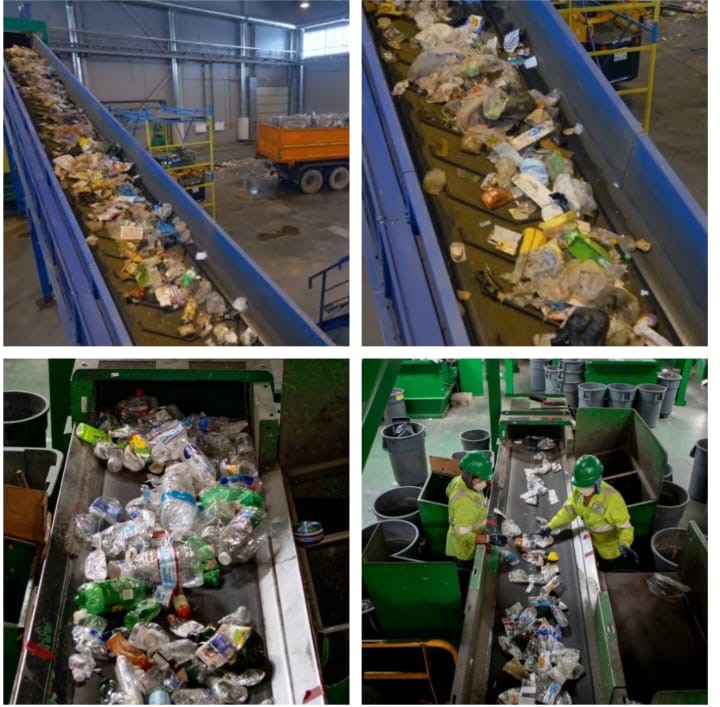
What Companies Should Know About EPR Compliance
Although implementation details may vary, companies operating in Kenya should generally be aware of several key elements of EPR systems.
1. Participation in Producer Responsibility Organizations
Many EPR frameworks operate through Producer Responsibility Organizations (PROs). These organizations coordinate the collection and recycling of packaging waste on behalf of producers.
Companies contribute to these systems financially while ensuring that packaging materials are properly recovered.
2. Tracking Packaging Materials
Companies may need to track the quantity and types of packaging materials they introduce into the market each year.
Examples include:
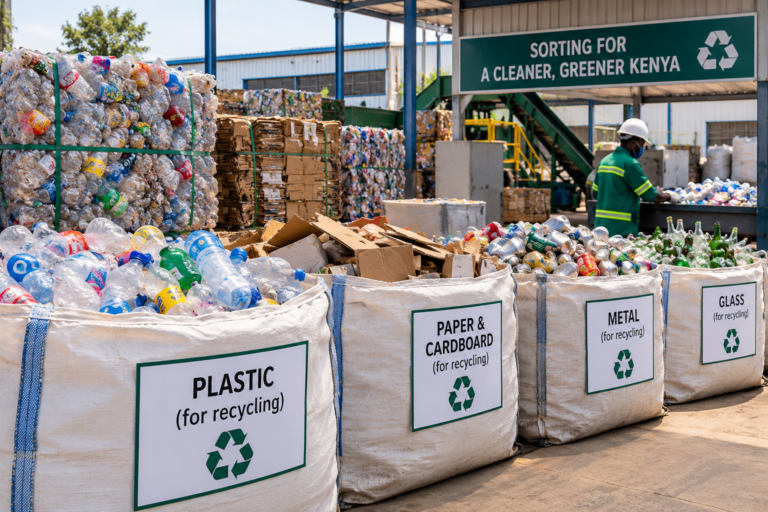
- plastic packaging
- glass bottles
- metal containers
- paper or cardboard packaging
This information forms the basis of compliance reporting.
3. Maintaining Documentation
Organizations are often expected to maintain records related to:
- packaging material declarations
- waste recovery or recycling data
- participation in EPR systems
Reliable documentation helps demonstrate compliance with environmental regulations.
Why Circular Economy Policies Are Expanding
EPR is part of a broader effort to transition toward a circular economy, where materials are reused, recycled, and kept in circulation for as long as possible.
By requiring producers to take responsibility for packaging waste, policymakers hope to encourage:
- improved product design
- increased recycling rates
- reduced environmental pollution
For companies, these policies are also creating incentives to better understand material flows across supply chains.
Frequently Asked Questions About EPR in Kenya
What is Extended Producer Responsibility (EPR)?
Extended Producer Responsibility is an environmental policy that requires producers, importers, and distributors to take responsibility for managing the waste generated by their products and packaging.
Which companies must comply with EPR regulations?
Companies that manufacture, import, distribute, or sell packaged products may fall under EPR obligations, depending on the regulatory framework.
What packaging materials are covered under EPR?
Common materials include plastic, paper, glass, and metal packaging introduced into the market through consumer products.
How can companies prepare for EPR compliance?
Organizations can begin by identifying the packaging materials used in their products, tracking volumes introduced into the market, and ensuring that systems exist to document recovery or recycling activities.
Conclusion
Extended Producer Responsibility represents an important shift in how packaging waste is managed.
For businesses, compliance will increasingly depend on the ability to understand material flows, organize environmental data, and participate in systems that support recycling and recovery.
As circular economy policies continue to evolve, companies that invest in structured approaches to sustainability data and environmental reporting will be better positioned to adapt to the changing regulatory landscape. Companies navigating Extended Producer Responsibility requirements often need guidance on compliance systems and reporting structures. Businesses looking for EPR consulting and compliance support in Kenya can explore the services offered by Biomaps.