Why Waste Traceability Is Essential for Circular Economy Systems
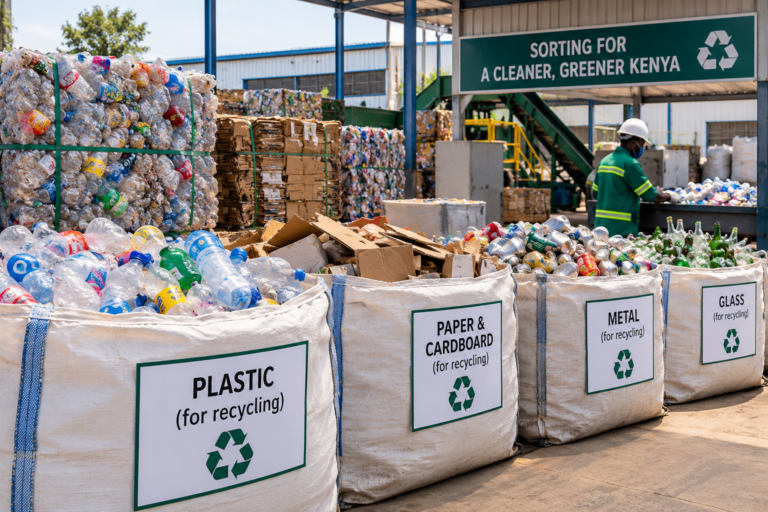
Across many countries, governments are introducing policies to reduce waste and encourage recycling. One of the most important ideas behind these policies is the circular economy—a system where materials are reused, recycled, or recovered instead of being discarded as waste.
The introduction of Extended Producer Responsibility (EPR) regulations in Kenya reflects this shift. Companies that produce or import packaged products are increasingly expected to take responsibility for how those materials are collected, recycled, or disposed of.
However, one major challenge remains: knowing exactly what happens to waste after it leaves a facility.
This is where waste traceability systems become essential.
The Growing Importance of Waste Traceability
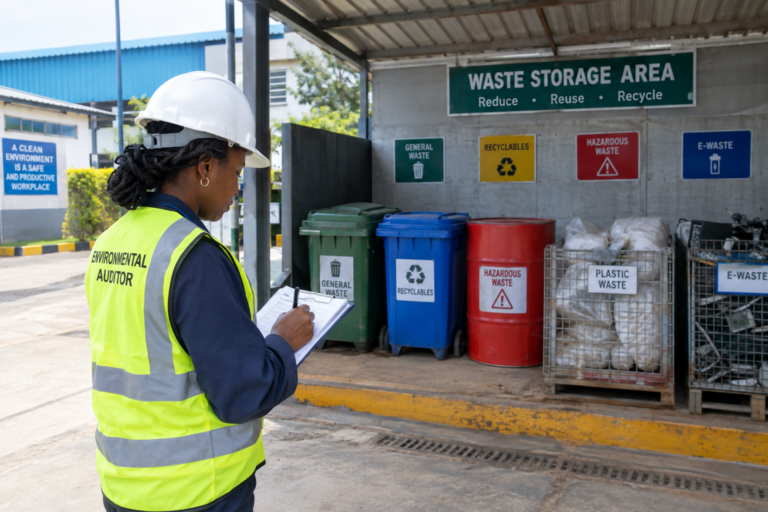
“Waste traceability” refers to the ability to track materials through the waste management chain—from the point they are generated to their final recovery, recycling, or disposal.
In practical terms, this means being able to answer questions such as the following:
- Where was the waste generated?
- How much waste was collected?
- Who transported it?
- Where was it processed or recycled?
- What materials were recovered?
Without this information, it becomes difficult to verify whether recycling or waste recovery actually happened.
For companies that must comply with EPR regulations, traceability is increasingly becoming a key requirement.
Why Circular Economy Systems Depend on Data
Circular economy policies aim to reduce waste and keep valuable materials in use for as long as possible. But circular systems only work if there is credible data showing how materials move through the system.
For example, regulators and producer-responsibility organizations need reliable information about:
- quantities of packaging placed on the market
- recycling rates by material type
- volumes of waste collected and recycled
Without accurate data, it becomes difficult to measure progress or enforce compliance.
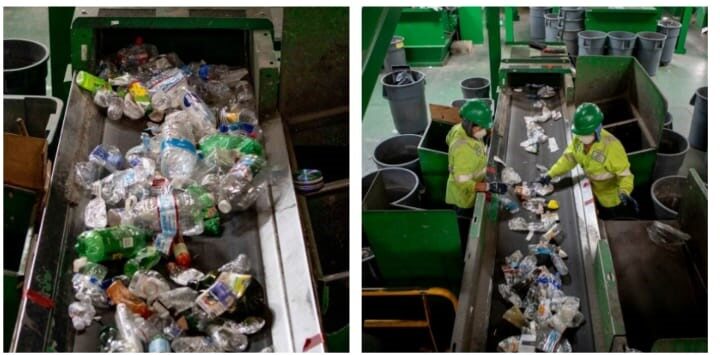
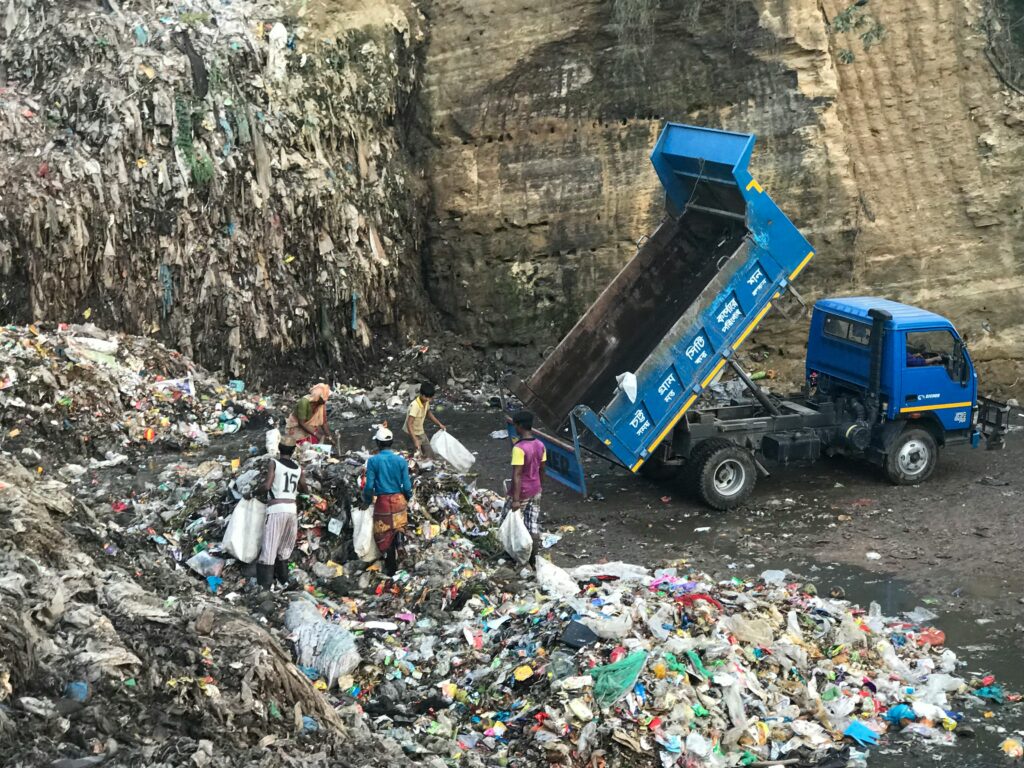
In many cases, waste management systems still rely on manual records, fragmented reporting, or aggregated data that cannot be verified easily.
This creates uncertainty for both regulators and companies.

The Hidden Problem: Fragmented Waste Data
One of the biggest challenges in waste management systems is the lack of structured data collection.
Waste collectors, recyclers, and aggregators often record information using paper registers or spreadsheets. While this may capture basic quantities, it rarely provides a complete picture of the waste management chain.
This fragmentation makes it difficult to:
- verify recycling claims
- measure real environmental outcomes
- produce credible sustainability reports
As EPR systems mature, the demand for more transparent and verifiable data is increasing.
The Role of Digital Traceability Systems
Digital monitoring tools are increasingly being used to improve waste traceability.
These systems can help organizations:
- record waste collection data in real time
- track material flows across multiple locations
- generate verifiable reports for regulators and stakeholders
- improve transparency in recycling systems
With better data systems, it becomes possible to move from estimated recycling figures to verified environmental outcomes.
This is especially important as governments, investors, and international markets begin to demand stronger evidence of sustainability performance.
Implications for Businesses
For companies operating under EPR frameworks or sustainability commitments, waste traceability is quickly becoming a core compliance and reporting requirement.
Organizations that can demonstrate credible waste management data will be better positioned to:
- comply with regulatory requirements
- support sustainability reporting
- verify environmental impact claims
- strengthen partnerships across recycling value chains
As circular economy policies expand, businesses will increasingly need systems that can capture and organize sustainability data effectively.
Looking Ahead
The transition toward circular economy systems will depend not only on recycling infrastructure but also on reliable data about how materials move through the system.
Waste traceability provides the foundation for that transparency.
As environmental regulations evolve and sustainability expectations increase, organizations that invest in structured monitoring and reporting systems will be better equipped to navigate the changing landscape. Businesses looking for EPR consulting and compliance support in Kenya can explore the services offered by Biomaps.