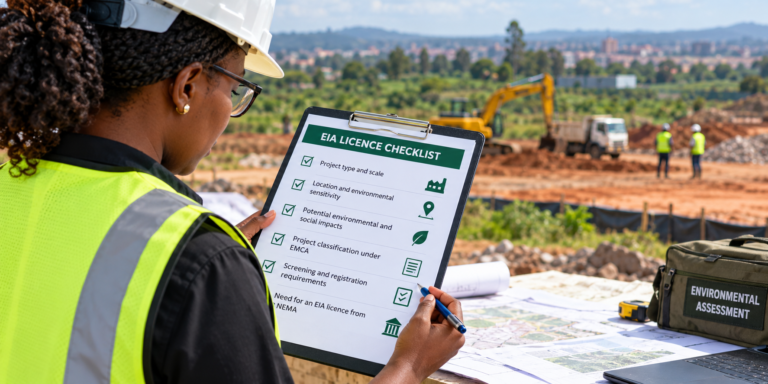
Enhancing Sustainability: A Comprehensive Environmental Audit with BIOMAPS
Introduction:
In today’s world, the need for businesses to prioritize environmental sustainability has never been more critical. As organizations strive to minimize their ecological footprint and comply with regulations, environmental audits have emerged as a powerful tool for assessing and improving sustainability practices. In this blog post, we’ll explore the significance of environmental audits and highlight how BIOMAPS, a leading service provider in the field, can help organizations enhance their environmental performance.
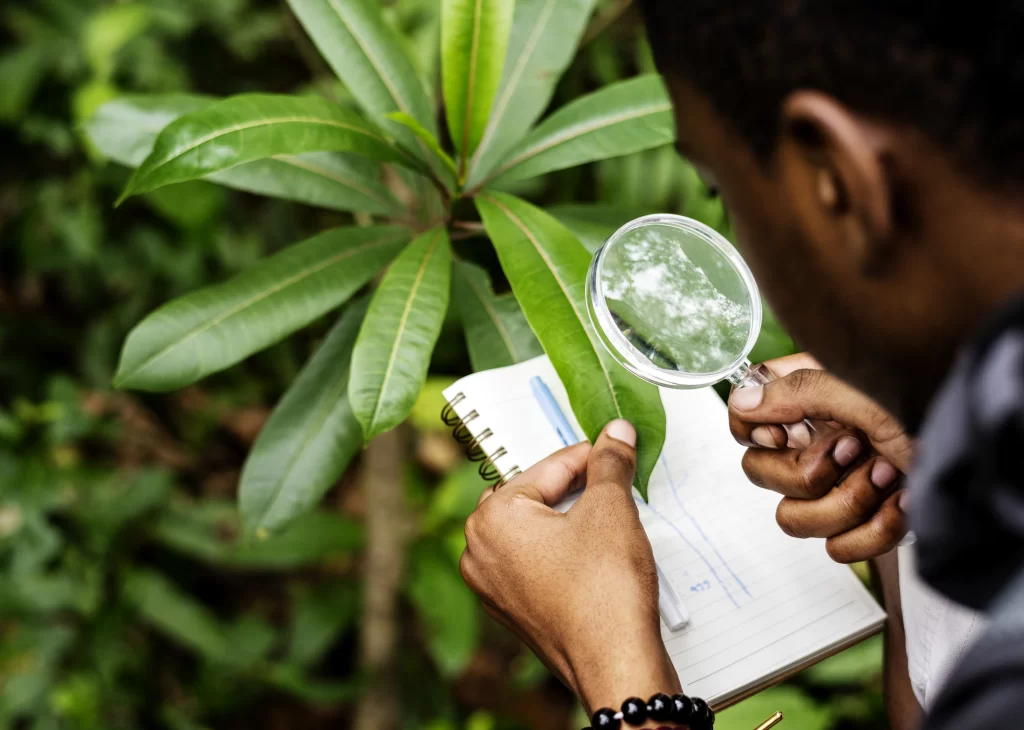
Understanding Environmental Audits:
Environmental audits, also known as sustainability audits, are systematic evaluations conducted to assess an organization’s environmental practices, compliance with regulations, and identify areas for improvement. These audits delve into key aspects such as resource management, pollution prevention, and environmental impact.

BIOMAPS: Your Partner in Environmental Audits:
When it comes to conducting comprehensive and insightful environmental audits, BIOMAPS stands out as a trusted service provider. With their expertise and cutting-edge tools, BIOMAPS assists organizations in achieving their sustainability goals while ensuring regulatory compliance.

- Holistic Compliance Assessment: BIOMAPS helps organizations navigate the complex landscape of environmental regulations by conducting thorough compliance assessments. They ensure that businesses comply with local, national, and international environmental laws, permits, and standards, mitigating the risk of non-compliance penalties.
- Resource Management Evaluation: Efficient resource management is a vital component of environmental sustainability. BIOMAPS conducts detailed assessments to evaluate how organizations utilize resources such as water, energy, and raw materials. By identifying areas of inefficiency, they provide actionable recommendations for optimizing resource consumption and reducing waste.
- Pollution Prevention Strategies: Reducing pollution is a shared responsibility, and BIOMAPS aids organizations in implementing effective pollution prevention measures. Through their audits, they assess emissions control, wastewater treatment systems, and hazardous substance management practices. By identifying potential sources of pollution, BIOMAPS assists businesses in minimizing their environmental impact.
- Environmental Management System (EMS) Analysis: BIOMAPS thoroughly examines an organization’s EMS, assessing its effectiveness in driving sustainable practices. By evaluating aspects such as policy development, operational controls, and employee engagement, they provide valuable insights for enhancing the EMS and achieving ISO 14001 certification.
- Impact Assessment and Stakeholder Engagement: BIOMAPS conducts rigorous assessments to determine the environmental impact of an organization’s activities. They evaluate factors such as air and water quality, biodiversity, and ecosystem health. Additionally, BIOMAPS helps organizations foster meaningful stakeholder engagement, ensuring transparent communication with local communities, suppliers, and customers regarding environmental concerns.
Conclusion: In the quest for environmental sustainability, organizations must prioritize the evaluation and improvement of their environmental practices. Environmental audits serve as a powerful means to achieve this goal. With their expertise in compliance assessment, resource management, pollution prevention, and stakeholder engagement, BIOMAPS offers organizations comprehensive and tailored environmental audits. By partnering with BIOMAPS, businesses can strengthen their sustainability efforts, reduce their ecological footprint, and make a positive impact on the environment while complying with regulations.